The British Longhair is one of those cat breeds that immediately catches your attention. With its round face, plush coat, calm personality, and almost royal appearance, this breed has become a favorite among cat lovers who want a beautiful companion that is gentle, affectionate, and well-suited for indoor living.
At first glance, the British Longhair may look like a low-maintenance lap cat. In reality, this breed does require consistent care, especially when it comes to grooming, weight control, and creating a comfortable indoor environment. Its thick, luxurious coat is beautiful, but it can easily become tangled without regular brushing.
In this guide, maxtech247.net will walk you through everything you should know before bringing a British Longhair cat into your home in the United States, including its origin, appearance, temperament, grooming needs, diet, health concerns, estimated costs, and tips for choosing a responsible breeder or adoption source.
What Is a British Longhair Cat?
The British Longhair, also known as the British Longhair cat, is a long-haired version of the British Shorthair. It has the same sturdy body, round face, broad chest, and calm nature, but with a longer and softer coat.
This breed was developed through breeding programs that involved British Shorthair cats and long-haired breeds such as Persian cats. The goal was to preserve the solid body structure and sweet expression of the British Shorthair while adding a fuller, longer coat.
Today, the British Longhair is loved for its quiet charm, soft appearance, and easygoing personality. It is a great option for apartment living, families, working professionals, and people who prefer a calm indoor cat rather than a highly energetic breed.
British Longhair Appearance
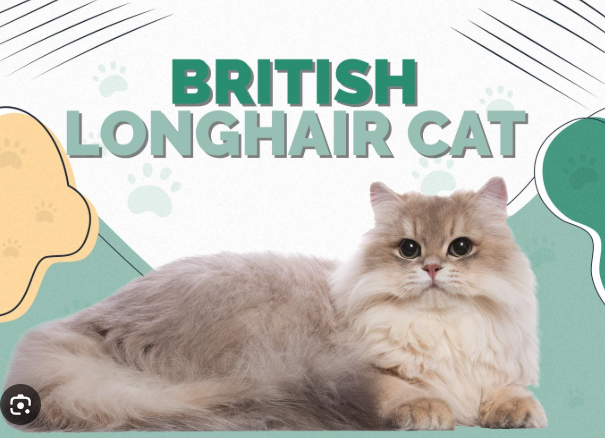
The British Longhair has a rounded, balanced, and sturdy look. This is not a slim or athletic-looking cat. Instead, it has a compact, muscular body with a broad chest, short legs, and round paws.
Its head is round, with full cheeks, a short nose, and large expressive eyes. Eye colors may vary depending on the coat color, but copper, gold, blue, and green shades are commonly seen.
The coat is one of the breed’s most noticeable features. British Longhairs have a dense, medium-to-long coat with a soft undercoat. When well cared for, the coat looks fluffy, elegant, and full without appearing messy.
British Longhair cats come in many colors and patterns, including blue-gray, cream, white, black, silver shaded, golden shaded, tabby, bicolor, and colorpoint. Some colors, such as golden shaded and silver shaded, are especially popular because of their striking appearance.
British Longhair Personality
The British Longhair is known for being calm, affectionate, and independent. This breed is usually not overly demanding. It enjoys being near its owner but does not constantly require attention.
Many British Longhairs like to sit beside their humans, quietly observe the room, or nap in a favorite spot. They may enjoy gentle petting and companionship, but they are not always clingy lap cats. Some will cuddle often, while others prefer staying close without being held too much.
This breed is generally well-mannered and peaceful. It is not known for being aggressive or extremely vocal. A British Longhair may meow softly when hungry or when it wants attention, but it usually does not make excessive noise.
Because of its gentle temperament, the British Longhair can be a good fit for families with children, older adults, and people who work from home. However, as with any cat, children should be taught to handle the cat gently and respect its space.
Is the British Longhair a Good Cat for American Homes?
Yes, the British Longhair can be an excellent cat for many homes in the United States. It adapts well to indoor living and does not need a large outdoor space. This makes it suitable for apartments, condos, suburban homes, and family houses.
The breed is especially suitable for people who want a calm companion rather than a highly active cat. It does not usually climb curtains, run nonstop around the house, or demand constant play. However, it still needs daily interaction, mental stimulation, and exercise to stay healthy.
If you live in a warmer state such as Florida, Texas, Arizona, Georgia, or California, you should pay extra attention to indoor temperature. The British Longhair has a thick coat and may become uncomfortable in hot environments. Air conditioning, good ventilation, fresh water, and regular brushing can help keep the cat comfortable.
How to Care for a British Longhair Cat
Caring for a British Longhair is not extremely difficult, but it does require consistency. The three most important areas are grooming, diet, and weight management.
Diet and Nutrition
British Longhair cats can gain weight easily if they eat too much and do not get enough exercise. Because this breed tends to be calm and less active, portion control is very important.
A high-quality cat food with proper protein content is recommended. You can feed dry food, wet food, or a combination of both. Wet food can be helpful because it adds moisture to the diet, which supports urinary and kidney health.
Avoid feeding your cat human food that contains salt, sugar, onions, garlic, sauces, spices, or processed ingredients. Cooked plain chicken, turkey, or fish may be offered occasionally, but it should not replace a balanced cat food unless recommended by a veterinarian.
It is better to feed measured meals instead of leaving food out all day. Most adult cats do well with two meals per day, though some may benefit from smaller meals depending on their age, activity level, and health condition.
Fresh water should always be available. Many cats prefer moving water, so a cat water fountain can encourage better hydration.
Exercise and Playtime
Although the British Longhair is not the most athletic breed, it still needs daily play. Without enough activity, it can become overweight or bored.
You can use feather wands, soft balls, puzzle feeders, toy mice, or interactive toys. Around 15 to 20 minutes of play each day can make a noticeable difference.
The goal is not to force intense exercise. Instead, encourage gentle movement and mental stimulation. Short play sessions are often more effective than one long session.
Grooming and Coat Care
The British Longhair’s coat needs regular grooming. Without brushing, the fur can become tangled, especially around the belly, chest, underarms, and behind the legs.
Brush your cat at least three to four times per week. During shedding seasons, daily brushing may be necessary. A wide-tooth comb, slicker brush, and grooming comb designed for long-haired cats can be helpful.
Regular brushing removes loose hair, reduces shedding, prevents mats, and lowers the amount of hair your cat may swallow while grooming itself. This can also help reduce hairballs.
Bathing is usually not needed often. Many indoor cats only need occasional baths unless they become dirty or have a skin condition. If you do bathe your British Longhair, make sure to use cat-safe shampoo and dry the coat completely afterward.
Never leave the coat damp, especially in cooler weather or humid indoor environments, because trapped moisture can irritate the skin.
Eye, Ear, and Nail Care
Some British Longhair cats may have mild tear staining because of their round facial structure. You can gently clean the eye area with a soft damp cloth or pet-safe wipes.
Ears should be checked weekly. If you notice a bad smell, heavy wax buildup, redness, or frequent scratching, contact a veterinarian. Do not push cotton swabs deep into the ear canal.
Nails should be trimmed regularly, usually every few weeks. A scratching post or cat tree can also help your cat maintain healthy claws and protect your furniture.
Common Health Concerns
British Longhair cats are generally healthy, but they can be prone to certain issues.
One of the most common concerns is obesity. Because this breed is calm and often food-motivated, weight gain can happen quickly. Obesity may increase the risk of diabetes, joint problems, heart stress, and reduced quality of life.
Hairballs are another common issue in long-haired cats. Regular brushing, proper hydration, and hairball-control products may help. If your cat vomits frequently, refuses food, or seems uncomfortable, consult a veterinarian.
Some British Longhairs may also have genetic risks depending on their breeding background. Responsible breeders should screen their cats for inherited conditions and provide health records when available.
Routine veterinary care is important. Your cat should receive vaccinations, parasite prevention, dental care, and annual wellness exams. Senior cats may need more frequent checkups.
Caring for a British Longhair in the U.S. Climate
The United States has many different climates, so care may vary by location.
In colder states, the British Longhair may be comfortable indoors, but you should still avoid exposing the cat to extreme cold. In warmer or humid states, overheating and skin irritation can be bigger concerns.
Keep your home cool during summer, provide shaded resting areas, and make sure your cat has access to clean water at all times. Regular grooming is especially important in hot and humid regions because tangled fur can trap heat and moisture.
It is usually not recommended to shave a British Longhair completely unless advised by a veterinarian. The coat helps protect the skin. Instead, light trimming in sanitary areas and proper brushing are usually better options.
How Much Does a British Longhair Cost in the United States?
The cost of a British Longhair cat in the United States can vary widely based on breeder reputation, pedigree, coat color, location, age, and whether the cat is sold as a pet or for breeding.
A pet-quality British Longhair from a reputable breeder may cost anywhere from about $1,200 to $3,500 or more. Rare coat colors, strong pedigrees, and show-quality cats may cost more.
Adoption fees are usually much lower, but British Longhairs may be harder to find in shelters or rescues. Breed-specific rescue groups may occasionally have British Longhair or British Shorthair mixes available.
Beyond the purchase or adoption cost, you should also plan for ongoing expenses. Monthly costs may include food, litter, grooming supplies, toys, parasite prevention, and pet insurance if you choose to use it.
A reasonable monthly budget may range from $80 to $200, depending on food quality, grooming needs, and veterinary care. Professional grooming, emergency vet visits, or special diets can increase the cost.
Where to Get a British Longhair Cat
If you decide to buy a British Longhair, choose a responsible breeder. A good breeder should be transparent, answer questions clearly, provide health information, and allow you to understand how the kittens are raised.
Look for breeders who provide:
Health records
Vaccination history
Genetic screening information when available
A written agreement or contract
Clear communication about the kitten’s diet and care
Clean and safe living conditions for cats and kittens
Avoid sellers who offer extremely cheap kittens, refuse to provide health details, rush the sale, or cannot show where the kitten was raised. Very low prices may indicate poor breeding practices, health problems, or scams.
You can also check animal shelters, rescue groups, and breed-specific rescue organizations. While finding a purebred British Longhair through adoption may take time, it can be a meaningful option.
Frequently Asked Questions
Are British Longhair cats good for apartments?
Yes. British Longhair cats are usually calm and do well in apartments or condos. They do not require outdoor access, but they still need toys, scratching posts, and daily interaction.
Do British Longhair cats shed a lot?
Yes, they can shed quite a bit, especially during seasonal changes. Regular brushing helps reduce loose hair, mats, and hairballs.
Are British Longhair cats friendly?
Most British Longhairs are friendly, gentle, and relaxed. They enjoy companionship but are often independent. They may not always want to be carried, but they usually like staying near their owners.
Are British Longhair cats good with children?
They can be good with children when properly introduced. Because they are calm and patient, they often fit well in family homes. Children should still be taught to treat cats gently.
Do British Longhair cats need professional grooming?
Not always, but professional grooming can be helpful if the coat becomes tangled or if the owner is not comfortable trimming nails, cleaning sanitary areas, or handling heavy shedding.
Can British Longhair cats live in hot states?
Yes, but indoor temperature control is important. In hot states, provide air conditioning, fresh water, shade, and regular brushing to prevent overheating and coat problems.
Final Thoughts
The British Longhair is a beautiful, calm, and affectionate breed that can make a wonderful companion for many cat owners in the United States. Its soft coat, round face, and peaceful personality make it especially appealing for people who want a gentle indoor cat.
However, this breed does best with owners who are willing to provide regular grooming, measured meals, daily playtime, and routine veterinary care. The British Longhair may look like a plush toy, but it still needs proper attention to stay healthy and happy.
If you are looking for a quiet, elegant, and loving cat that fits well into an indoor lifestyle, the British Longhair may be a great choice. With the right care, this charming breed can become a loyal and comforting part of your home for many years.
At maxtech247.net, our goal is to provide practical, easy-to-understand pet care guides for everyday readers who want to make better decisions for their animals and their homes