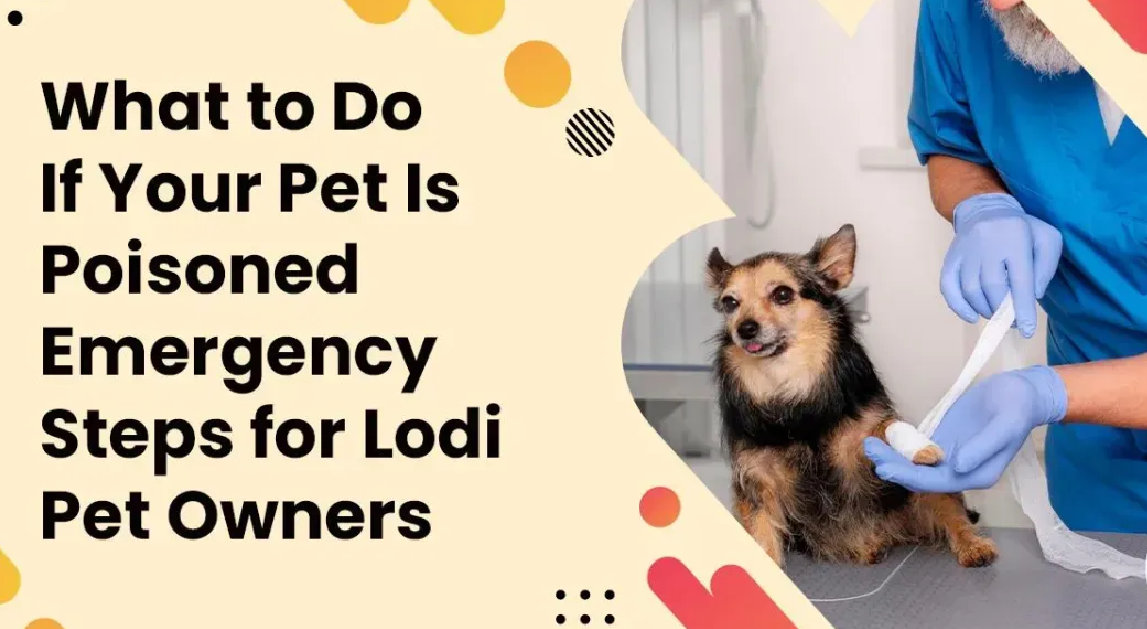
For many families in New York, a dog is not just a pet. It is part of the household, part of the daily routine, and often the first friendly face waiting at the door after a long day. But even in a loving home, danger can appear in ordinary places: a dropped pill under the couch, spilled antifreeze near a garage, chocolate left on a coffee table, rat poison in a building basement, or a suspicious scrap of food on a sidewalk.
Dog poisoning is one of those emergencies that can become serious very quickly. The good news is that fast action can make a real difference. The key is knowing what signs to look for, what not to do, and when to get professional help immediately.
This guide from maxtech247.net is written for everyday pet owners, especially those living in busy places like New York City, where dogs may be exposed to street trash, apartment maintenance chemicals, public parks, building pest control products, and human foods more often than we realize.
Important: This article is for general education only. If you believe your dog has eaten or touched something toxic, call your veterinarian, an emergency animal hospital, or a pet poison hotline right away.
Common Signs Your Dog May Have Been Poisoned
Poisoning symptoms can look different depending on what your dog swallowed, inhaled, or touched. Some dogs show signs within minutes. Others may seem fine at first and become sick hours later.
Here are warning signs that should never be ignored.
Sudden Behavior Changes
One of the earliest signs may be a change in your dog’s personality or behavior. A normally calm dog may become restless, anxious, aggressive, or unusually vocal. Some dogs may whine, pace, hide, or stare blankly as if they are confused.
On the other hand, an energetic dog may suddenly become weak, sleepy, or unwilling to respond when called. If your dog’s behavior feels “off” and you suspect exposure to something dangerous, treat it seriously.
Vomiting or Diarrhea
Vomiting and diarrhea are common signs of poisoning because many toxins irritate the stomach and intestines. Your dog may vomit food, yellow fluid, foam, or blood. Diarrhea may be watery, foul-smelling, or bloody.
While mild stomach upset can happen for many reasons, repeated vomiting, bloody stool, or weakness after possible toxin exposure should be treated as an emergency.
Shaking, Trembling, or Seizures
Some poisons affect the nervous system. Your dog may tremble, lose coordination, twitch, drool heavily, foam at the mouth, or collapse. Seizures are especially serious and require immediate veterinary care.
Do not try to force anything into your dog’s mouth during a seizure. Keep the area safe, move objects away, and contact emergency veterinary help immediately.
Breathing Problems or Abnormal Heart Rate
A poisoned dog may breathe very fast, struggle to breathe, pant heavily, or become unusually quiet and weak. Some toxins can affect the heart, causing the heartbeat to become too fast, too slow, or irregular.
If your dog is having trouble breathing, do not wait to “see if it passes.” Go to an emergency vet as soon as possible.
Dilated Pupils, Weakness, or Loss of Balance
A dog exposed to certain drugs, pesticides, or chemicals may have unusual pupils, poor balance, wobbling, confusion, or sudden collapse. These signs often suggest the toxin is affecting the brain or nervous system.
Even if your dog appears to improve for a short time, internal damage may still be happening.
Common Causes of Dog Poisoning in New York Homes and Neighborhoods
Dogs explore the world with their noses and mouths. That is part of what makes them lovable, but it also makes them vulnerable. In a dense city environment like New York, a dog can encounter many hazards indoors and outdoors.
Toxic Human Foods
Many foods that are safe for people can be dangerous for dogs. Some of the most concerning include:
Chocolate, especially dark chocolate
Grapes and raisins
Onions and garlic
Coffee and caffeine products
Alcohol
Macadamia nuts
Xylitol, often found in sugar-free gum, candy, and some peanut butters
Xylitol is especially dangerous because even a small amount can cause a rapid drop in blood sugar and may lead to liver damage.
Human Medications
Never give your dog human medication unless a veterinarian specifically tells you to do so. Pain relievers such as ibuprofen, acetaminophen, and naproxen can be dangerous or deadly to dogs. Prescription medications for sleep, anxiety, blood pressure, depression, or ADHD can also cause severe poisoning.
In apartments, a dropped pill can easily roll under furniture and be found later by a curious dog. Store all medications in closed cabinets or high shelves.
Rat Poison and Pest Control Products
In New York apartment buildings, basements, alleys, restaurants, storage rooms, and trash areas may contain rodent bait or pest control chemicals. These products can be extremely dangerous if a dog eats them directly or consumes a poisoned rodent.
If you suspect exposure to rat poison, do not wait for symptoms. Some types may not cause visible signs right away but can lead to internal bleeding or organ damage later.
Antifreeze and Automotive Fluids
Antifreeze can contain ethylene glycol, a substance that is highly toxic to dogs. It may have a sweet taste that attracts pets. Dogs may be exposed near garages, parking areas, driveways, auto shops, or leaking vehicles.
Even a small amount can cause serious kidney damage. This is a true emergency.
Household Cleaners and Chemicals
Cleaning sprays, bleach, disinfectants, laundry pods, drain cleaners, paint products, fertilizers, and insecticides can all be hazardous. Dogs may lick wet floors, chew containers, or step in chemicals and later lick their paws.
In smaller apartments, it is especially important to store products securely and keep dogs away from recently cleaned surfaces until they are dry and safe.
Dangerous Street Items
New York dogs often walk past trash bags, sidewalk food scraps, spilled drinks, discarded cannabis products, cigarette butts, unknown powders, and old food. What looks like a harmless bite from the sidewalk can become a serious emergency.
Teaching your dog a strong “leave it” command is one of the best safety skills you can build.
What to Do Immediately If You Think Your Dog Was Poisoned
When poisoning is possible, time matters. Try to stay calm and follow these steps.
Step 1: Move Your Dog Away From the Source
If you can safely do so, remove your dog from the area. Take away any remaining food, chemical container, plant, medication bottle, or suspicious object. If the substance is on your dog’s fur or paws, prevent licking.
Do not put yourself at risk if the chemical is dangerous to touch or breathe.
Step 2: Check Your Dog’s Condition
Look for breathing problems, seizures, collapse, heavy drooling, vomiting, weakness, or confusion. If your dog is unconscious, struggling to breathe, or actively seizing, go to an emergency veterinary hospital immediately.
If your dog seems stable, still contact a veterinarian or poison hotline right away. Some toxins cause delayed symptoms.
Step 3: Collect Evidence
If possible, take a photo of the product, food, plant, or substance. Save packaging, labels, ingredient lists, or any remaining material. If your dog vomited, take a photo or collect a sample in a sealed bag if safe.
The more information the veterinarian has, the faster they can choose the right treatment.
Helpful details include:
Your dog’s weight
Your dog’s age and breed
What your dog may have eaten or touched
How much was possibly consumed
When the exposure happened
Current symptoms
Step 4: Call a Veterinarian or Pet Poison Hotline
Do not rely on online guesses during a poisoning emergency. Call your regular vet, a 24-hour emergency animal hospital, or a pet poison hotline.
Pet Poison Helpline advises pet owners not to give home antidotes or induce vomiting without professional guidance. (Pet Poison Helpline) AKC also notes that vomiting should only be induced after consulting a veterinarian because it can be dangerous in certain situations. (American Kennel Club)
Step 5: Do Not Automatically Try to Make Your Dog Vomit
This is one of the most important points.
Some pet owners panic and try to force vomiting right away. That can make things worse. Vomiting may be dangerous if your dog swallowed sharp objects, petroleum products, caustic cleaners, acids, batteries, or certain chemicals. It can also be risky if the dog is weak, unconscious, having seizures, or having trouble breathing.
A veterinarian may sometimes recommend 3% hydrogen peroxide in specific cases, but only with proper instructions based on your dog’s weight and condition. Do not guess the dose.
Step 6: Get Veterinary Care Even If Symptoms Improve
A dog may look better after vomiting or resting, but toxins can continue damaging the liver, kidneys, heart, or nervous system. Professional care may include blood tests, activated charcoal, IV fluids, anti-seizure medication, antidotes, oxygen support, or overnight monitoring.
If a vet tells you to come in, go as soon as possible.
Aftercare: Helping Your Dog Recover After Poisoning
Recovery does not end when your dog comes home. After poisoning, your dog may be physically weak, emotionally stressed, and sensitive to food or activity.
Follow the Vet’s Instructions Closely
Give medication exactly as prescribed. Do not stop early because your dog “seems fine.” Keep follow-up appointments, especially if the toxin may have affected the liver, kidneys, or heart.
Feed Gentle, Easy-to-Digest Meals
Your veterinarian may recommend a bland diet for a short period. This may include vet-approved food, boiled chicken, rice, or other gentle meals depending on your dog’s condition.
Avoid rich treats, table scraps, fatty foods, and anything new until your dog’s stomach is stable.
Keep Activity Light at First
Your dog may need rest for a few days. Short leash walks are usually better than running, jumping, or rough play. Increase activity slowly as your dog regains strength.
Watch for Delayed Symptoms
Call your vet if you notice vomiting, diarrhea, loss of appetite, yellow gums or eyes, dark urine, weakness, coughing, heavy breathing, seizures, or unusual behavior after returning home.
Rebuild Confidence
Some dogs become nervous after a medical emergency. Keep their environment calm. Offer gentle attention, familiar toys, and a predictable routine. Avoid punishment if your dog acts clingy, quiet, or confused during recovery.
How to Prevent Dog Poisoning
Prevention is always easier than emergency treatment. A few simple habits can reduce risk dramatically.
Keep Human Food Out of Reach
Do not leave chocolate, grapes, raisins, candy, gum, coffee, or leftovers where your dog can reach them. Be extra careful during holidays, parties, and family gatherings.
Store Medication Securely
Keep all medication in closed cabinets. Do not leave pills on nightstands, counters, bags, or bathroom shelves. Remind guests not to leave medication in open purses or backpacks.
Secure Cleaning Products
Store cleaners, laundry pods, insecticides, and chemicals behind closed doors. After cleaning floors or surfaces, keep your dog away until the area is dry and safe.
Be Careful on Walks
In New York, sidewalks and parks can contain unknown food, trash, or substances. Use a leash, stay alert, and teach commands like “leave it” and “drop it.”
If your dog has a habit of eating things off the ground, consider working with a trainer. In some cases, a comfortable basket muzzle can be a helpful safety tool during walks.
Ask About Pest Control in Your Building
If you live in an apartment, ask your building management when and where pest control products are used. Keep your dog away from treated areas, basements, trash rooms, and utility spaces.
Choose Pet-Safe Products
Use pet-safe cleaners, lawn products, shampoos, flea treatments, and toys. Never use medication intended for another animal unless your vet approves it.
Final Thoughts
Dog poisoning is frightening, but being prepared can save precious time. Learn the warning signs, keep dangerous items out of reach, and never wait too long to contact a professional.
For pet owners in New York, the risks can come from both inside the apartment and outside on busy sidewalks, parks, parking areas, and shared buildings. A little prevention, good training, and quick action can protect your dog from a life-threatening emergency.
At maxtech247.net, we believe responsible pet care starts with simple, practical knowledge. When in doubt, call a veterinarian. It is always better to ask early than to act too late.