Bad breath in dogs and cats is common, but it should not be ignored. Many pet owners think a smelly mouth is just part of having a pet, but persistent bad breath can be a sign of plaque buildup, gum disease, tooth infection, digestive problems, or even an underlying health condition.
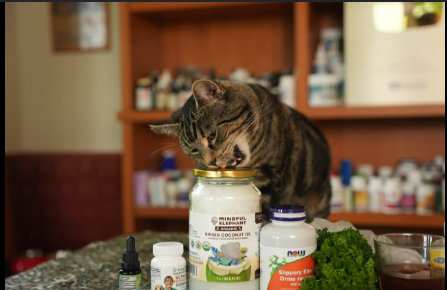
A little odor after eating may be normal. However, if your dog or cat has a strong, unpleasant smell coming from the mouth every day, it is worth paying attention. Good oral care can help your pet feel more comfortable, protect their teeth, and make cuddle time much more pleasant.
In this guide, maxtech247.net will explain the common signs of bad breath in pets, what may be causing it, and four simple steps you can take at home to improve your dog or cat’s oral health.
Why Bad Breath in Pets Matters
Bad breath is not only a smell problem. In many cases, it is a warning sign that bacteria are building up inside your pet’s mouth. Over time, bacteria can lead to plaque, tartar, red gums, pain, loose teeth, and infection.
For dogs and cats in the United States, dental disease is one of the most common health issues seen by veterinarians. Unfortunately, pets cannot tell us when their mouth hurts. They may continue eating even when they are uncomfortable, especially cats, because they often hide signs of pain.
That is why pet owners should treat long-lasting bad breath as a signal to check the mouth, improve home care, and contact a veterinarian if the odor does not go away.
Signs Your Dog or Cat Has Bad Breath
The most obvious sign is a strong odor coming from the mouth. The smell may be sour, fishy, rotten, or unusually sharp. If your pet yawns, licks you, or breathes near your face and the smell is hard to ignore, that is a clear warning sign.
Another sign is excessive drooling. Dogs may drool more than usual when they have mouth irritation or dental pain. Cats may drool too, although this can be harder to notice because they often groom themselves.
You should also look at the gums and tongue if your pet allows it. Red gums, swollen areas, bleeding, yellow or brown tartar, white patches, or unusual spots can all suggest a dental or mouth problem.
Behavior changes are also important. A dog with mouth pain may chew on one side, rub its face on the floor, avoid hard food, or become sensitive when you touch the muzzle. A cat may hide, eat less, drop food from the mouth, or make a small sound while chewing.
If the bad smell continues for several days even after basic cleaning, the cause may be deeper than simple food odor.
Common Causes of Bad Breath in Dogs and Cats
Bad breath can happen for several reasons. Some are mild and easy to manage, while others need veterinary care.
Dental Disease
Dental disease is the most common cause of bad breath in dogs and cats. When food particles and bacteria stay on the teeth, they form plaque. If plaque is not removed, it hardens into tartar. Tartar can irritate the gums and create a perfect place for bacteria to grow.
Dogs often develop visible tartar, especially small breeds. Cats may suffer from gum inflammation, tooth resorption, or other painful mouth conditions that are not always easy to see at home.
Diet and Eating Habits
Food can affect your pet’s breath. Wet food, fish-based food, raw food, or strong-smelling treats may leave an odor in the mouth.
Dogs may also chew things they should not, such as trash, feces, dirt, or spoiled food. These habits can bring bacteria into the mouth and cause a strong smell.
Cats are usually more selective, but they can still develop bad breath from certain foods, stomach sensitivity, or poor oral hygiene.
Digestive Problems
Sometimes the smell does not come only from the teeth. Acid reflux, upset stomach, poor digestion, or intestinal problems may affect the odor of your pet’s breath.
If your pet has bad breath along with vomiting, diarrhea, appetite changes, weight loss, or frequent burping, it is best to speak with a veterinarian.
Health Conditions
Certain health problems can also cause unusual breath odor. For example, kidney disease may create a smell similar to ammonia or urine. Diabetes may cause a sweet or fruity smell. Respiratory infections can also create bad breath due to bacteria in the nose, throat, or sinuses.
If the smell is sudden, very strong, or different from normal, do not rely only on home treatment.
4 Home Tips to Help With Bad Breath in Dogs and Cats
If your pet is still eating normally, acting well, and has no serious symptoms, you can try these home care steps to improve their breath and oral hygiene.
1. Brush Your Pet’s Teeth Regularly
Tooth brushing is one of the best ways to reduce bad breath. It removes plaque before it hardens into tartar and helps control odor-causing bacteria.
Use a toothbrush made for pets and toothpaste made specifically for dogs or cats. Never use human toothpaste because it may contain ingredients that are unsafe for animals.
Start slowly. Let your pet smell and taste the toothpaste first. Then gently touch the lips, gums, and teeth for a few seconds. Over time, increase the brushing time as your pet becomes more comfortable.
For dogs, brushing several times a week can make a big difference. Daily brushing is ideal. For cats, it may take more patience, but even a short routine can help if done consistently.
2. Use Dental Treats, Chews, and Safe Toys
Dental treats and chew toys can help reduce plaque and freshen breath, especially for dogs that enjoy chewing.
For dogs, choose dental chews designed to support oral health. Look for products that are the right size for your dog and not too hard. Very hard bones or objects can crack teeth, so avoid anything that feels harder than the tooth itself.
For cats, dental treats may encourage chewing and help reduce plaque. Some cats also respond well to toys with catnip or textured surfaces that promote gentle chewing.
Dental products are helpful, but they should not fully replace brushing or veterinary dental care. Think of them as extra support.
3. Improve Your Pet’s Diet
Diet plays a major role in oral health and breath odor. Feeding a balanced, high-quality pet food can support digestion and reduce mouth odor.
If your pet’s breath smells worse after certain foods, try adjusting the diet gradually. Avoid giving table scraps, heavily seasoned meat, sugary foods, or spoiled leftovers.
For dogs, crunchy vegetables such as carrot pieces may help as an occasional snack, but only if your dog tolerates them well. Always cut foods into safe sizes to prevent choking.
For cats, avoid sudden diet changes because their digestion can be sensitive. If your cat has frequent bad breath, vomiting, or appetite changes, ask a veterinarian before changing food completely.
Fresh water is also important. Dehydration can make bad breath worse, so make sure your pet always has access to clean water. A pet water fountain may help cats drink more.
4. Schedule Regular Veterinary Checkups
Home care can help, but some causes of bad breath cannot be solved at home. If your pet has tartar buildup, gum disease, infection, broken teeth, or a hidden health issue, a veterinarian needs to examine them.
Your vet may recommend a dental cleaning, bloodwork, oral exam, or treatment for infection. Professional dental cleaning is often necessary when tartar has already built up under the gumline.
You should contact a vet if your dog or cat has:
Persistent bad breath
Bleeding or swollen gums
Loose teeth
Excessive drooling
Trouble chewing
Loss of appetite
Pawing at the mouth
Weight loss
Bad breath with vomiting or diarrhea
Breath that smells like ammonia, urine, or fruit
These signs may point to a more serious condition.
How to Prevent Bad Breath in Dogs and Cats
Preventing bad breath is easier than treating advanced dental disease. A simple routine can protect your pet’s mouth and overall health.
Brush your pet’s teeth as often as possible. Daily brushing is best, but even a few times a week is better than doing nothing.
Use pet-safe dental products, such as dental wipes, oral gels, water additives, or dental treats. Make sure any product you choose is made for dogs or cats and is appropriate for your pet’s age and size.
Keep your pet’s diet balanced. Avoid too many soft, sticky, or strong-smelling foods if they seem to worsen the odor. Do not allow dogs to eat trash, feces, or unsafe outdoor items.
Take your pet for regular wellness exams. Many veterinarians recommend checking your pet’s teeth at least once or twice a year, depending on age and dental condition.
For older pets, dental care becomes even more important because oral disease can become more common with age.
Can Coconut Oil Help With Pet Bad Breath?
Some pet owners use small amounts of coconut oil to support fresher breath. Coconut oil has a mild smell and may help reduce odor temporarily for some pets.
However, it should be used carefully. Too much coconut oil can cause diarrhea, weight gain, or stomach upset. It is also not a replacement for brushing, dental cleaning, or veterinary care.
If you want to add coconut oil to your pet’s diet, ask your veterinarian first, especially if your pet has pancreatitis, obesity, digestive issues, or a special diet.
Bad Breath in Dogs vs. Cats
Dogs and cats can both have bad breath, but the signs may look different.
Dogs are often more obvious. They may chew dirty objects, develop visible tartar, drool, or rub their face when uncomfortable.
Cats are more subtle. A cat with mouth pain may simply eat less, hide more, become quiet, or avoid dry food. Because cats often hide illness, bad breath in cats should be taken seriously, especially if it appears suddenly or comes with behavior changes.
Frequently Asked Questions
Is bad breath in dogs and cats dangerous?
Bad breath can be harmless if it happens only after eating strong-smelling food. However, persistent bad breath may be a sign of dental disease, infection, kidney problems, diabetes, or digestive issues. If the smell does not improve, a veterinary checkup is recommended.
Can I treat my dog’s bad breath at home?
You can try brushing your dog’s teeth, using dental chews, improving the diet, and providing fresh water. If the smell continues or your dog has red gums, drooling, loose teeth, or trouble eating, you should visit a veterinarian.
What should I do if my cat has bad breath?
Start by checking for other symptoms such as drooling, hiding, eating less, pawing at the mouth, or crying while chewing. Cats can have painful dental problems that are hard to see. If the bad breath persists, schedule a veterinary exam.
Can I use human toothpaste for my pet?
No. Human toothpaste is not safe for dogs or cats. Always use toothpaste made specifically for pets.
How often should I brush my pet’s teeth?
Daily brushing is ideal. If that is not possible, aim for at least several times per week. Consistency matters more than perfection.
Do dental treats really work?
Dental treats can help reduce plaque and improve breath, but they work best when combined with brushing and regular veterinary dental care.
Final Thoughts
Bad breath in dogs and cats is common, but it should not be dismissed as normal. A strong or long-lasting smell can be an early sign of dental disease, digestive trouble, or another health problem.
The good news is that many cases can be improved with a simple routine: regular brushing, safe dental treats, a balanced diet, fresh water, and routine vet visits.
At maxtech247.net, we believe pet care should be practical, easy to understand, and based on everyday habits that truly help. By paying attention to your pet’s breath today, you may prevent bigger health problems tomorrow.