Vaccinating your cat is one of the simplest and most effective ways to protect them from serious, highly contagious, and sometimes life-threatening diseases. Whether you have a playful kitten, an indoor adult cat, or a cat that occasionally goes outside, vaccines play an important role in long-term health.
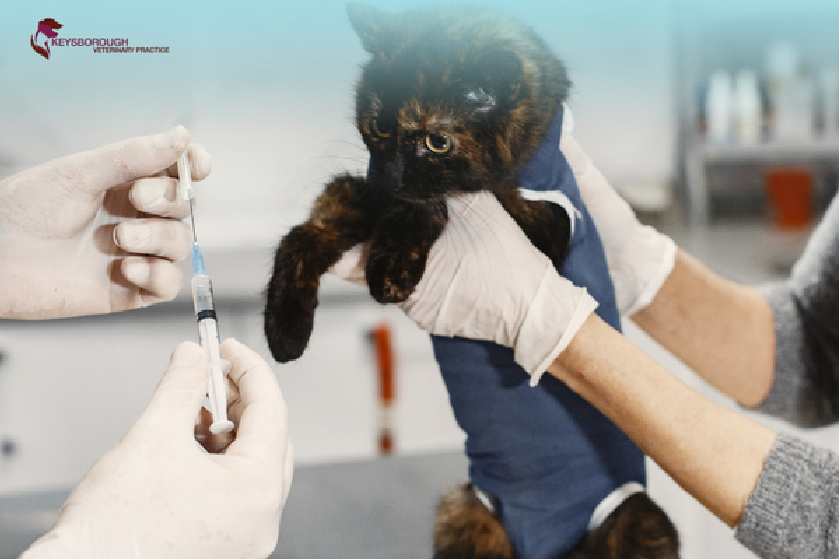
Many cat owners in the United States know their cats need vaccines, but they may not fully understand which shots are important, when kittens should receive them, or what to watch for after a vaccination visit. The right vaccine plan can depend on your cat’s age, lifestyle, health history, and local laws.
In this guide, maxtech247.net explains the most important cat vaccines, the diseases they help prevent, a basic vaccination schedule, and what to do after your cat gets vaccinated.
Why Cat Vaccinations Are Important
Cats can be exposed to infectious diseases in more ways than many owners realize. Even indoor cats are not completely risk-free. Viruses can spread through contact with other cats, shared surfaces, contaminated objects, boarding facilities, grooming visits, shelters, wildlife exposure, or accidental escapes outdoors.
Vaccines help your cat’s immune system recognize and fight certain diseases before they become severe. While no vaccine can guarantee complete protection in every situation, vaccination greatly reduces the risk of serious illness and complications.
For kittens, vaccines are especially important because their immune systems are still developing. For adult cats, booster shots help maintain protection over time.
Diseases Cats May Face Without Vaccination
Without proper vaccination, cats may be vulnerable to several dangerous diseases. Some can spread quickly among cats, while others may also create public health concerns.
Rabies
Rabies is one of the most serious diseases that can affect cats. It is almost always fatal once symptoms appear and can spread to humans through bites or saliva exposure.
In many parts of the United States, rabies vaccination is required by law for cats. Even indoor cats may need a rabies vaccine because local regulations often apply regardless of lifestyle. A cat that escapes outdoors, encounters wildlife, or bites someone may face serious legal and medical consequences if not vaccinated.
Feline Viral Rhinotracheitis
Feline viral rhinotracheitis is usually caused by feline herpesvirus type 1. It affects the upper respiratory system and may cause sneezing, nasal discharge, watery eyes, fever, loss of appetite, and mouth ulcers.
Once infected, some cats can carry the virus for life. Stress, illness, or changes in environment may trigger flare-ups later.
Feline Calicivirus
Feline calicivirus is another common respiratory disease in cats. It can cause sneezing, eye discharge, fever, oral ulcers, drooling, and reduced appetite.
This virus spreads easily in multi-cat environments such as shelters, rescue centers, boarding facilities, and homes with several cats.
Feline Panleukopenia
Feline panleukopenia, sometimes called feline distemper, is a highly contagious and dangerous disease. It can cause fever, vomiting, diarrhea, dehydration, weakness, and severe immune suppression.
Kittens are especially vulnerable. Without treatment, the disease can progress quickly and may be fatal.
Feline Leukemia Virus
Feline leukemia virus, often shortened to FeLV, affects the immune system and can increase the risk of infections, anemia, and certain cancers. It spreads through close contact between cats, including grooming, shared bowls, bite wounds, and saliva exposure.
FeLV vaccination is often recommended for kittens and for cats that go outdoors or live with cats whose FeLV status is unknown.
Parasites and Worms
Vaccines do not prevent most intestinal worms, but parasite prevention is still an important part of cat health care. Kittens and adult cats may need deworming, flea prevention, and other parasite control based on veterinary advice.
Because parasites can affect digestion, energy, coat quality, and overall health, your veterinarian may recommend routine fecal testing and prevention.
Core and Non-Core Cat Vaccines
In the United States, cat vaccines are generally grouped into two categories: core and non-core.
Core vaccines are recommended for most cats because they protect against common or severe diseases. Non-core vaccines are recommended based on lifestyle and risk.
Core Cat Vaccines
The main core vaccines usually include:
FVRCP vaccine
This combination vaccine helps protect against feline viral rhinotracheitis, calicivirus, and panleukopenia. It is one of the most important vaccines for cats.
Rabies vaccine
Rabies vaccination is essential and may be legally required depending on your state, county, or city. Your veterinarian can tell you which rabies vaccine schedule applies in your area.
Non-Core Cat Vaccines
Non-core vaccines may include:
FeLV vaccine
Often recommended for kittens, outdoor cats, cats living with FeLV-positive cats, or cats with unknown exposure risks.
Chlamydia vaccine
May be considered in certain multi-cat environments where respiratory or eye infections are a concern.
Bordetella vaccine
Sometimes recommended for cats in shelters, boarding facilities, or high-risk environments.
Not every cat needs every vaccine. The best vaccine plan should be created with a licensed veterinarian who understands your cat’s lifestyle and local disease risks.
Basic Cat Vaccination Schedule
Vaccination schedules can vary depending on the vaccine brand, your veterinarian’s recommendation, state laws, and your cat’s health. The schedule below is a general guide for cat owners.
Kitten Vaccination Schedule
Kittens usually start vaccines at around 6 to 8 weeks of age.
6 to 8 Weeks
At this age, kittens commonly receive their first FVRCP vaccine. Your veterinarian may also discuss deworming and parasite prevention.
9 to 12 Weeks
A booster dose of FVRCP is usually given. Depending on lifestyle and risk, the FeLV vaccine may also be started.
12 to 16 Weeks
Kittens usually receive another FVRCP booster. Rabies vaccination is often given during this age range, depending on local laws and the veterinarian’s protocol.
16 Weeks and Older
Some kittens may need additional boosters to complete the initial vaccine series. Your veterinarian will confirm when your kitten is considered protected.
Adult Cat Vaccination Schedule
Adult cats need booster vaccines to maintain immunity.
The FVRCP booster may be given every year or every three years depending on the vaccine type, your veterinarian’s recommendation, and your cat’s risk level.
Rabies boosters may be required every one year or every three years depending on the vaccine used and local law.
FeLV boosters may be recommended yearly for cats at continued risk, especially outdoor cats or cats exposed to unknown cats.
If you adopt an adult cat with an unknown vaccine history, your veterinarian may recommend restarting or updating vaccines to ensure protection.
Indoor Cats Still Need Vaccines
Some owners assume indoor cats do not need vaccines, but indoor-only cats can still be exposed to disease. A cat may accidentally slip outside, come into contact with a new pet, visit a veterinary clinic, stay at a boarding facility, or be exposed to viruses brought in on shoes, clothing, or carriers.
Rabies vaccination may also be legally required even for indoor cats. For this reason, it is better to ask your veterinarian about a safe and appropriate vaccine plan rather than skipping vaccines completely.
What to Expect After Your Cat Gets Vaccinated
Most cats do well after vaccination. Mild side effects can happen and are usually temporary.
Your cat may be a little tired, less playful, or less interested in food for a short time. Some cats may have mild soreness or slight swelling at the injection site. These reactions often improve within a day or two.
After the appointment, allow your cat to rest in a quiet and comfortable place. Avoid stressful activities, rough play, or bathing for at least 24 to 48 hours unless your veterinarian gives different instructions.
Make sure your cat has fresh water and easy access to food, litter, and a safe resting area.
Warning Signs After Vaccination
Serious vaccine reactions are uncommon, but they can happen. Contact a veterinarian right away if your cat shows any of the following signs after vaccination:
Difficulty breathing
Swelling of the face, lips, or eyes
Repeated vomiting or severe diarrhea
Extreme weakness or collapse
Pale gums
Severe itching or hives
High fever
Loss of appetite lasting more than 24 hours
A large, painful, or worsening swelling at the injection site
If your cat has had a vaccine reaction in the past, tell your veterinarian before any future shots. They may adjust the vaccine plan, monitor your cat longer after the appointment, or recommend extra precautions.
Aftercare Tips for Cat Vaccinations
Good aftercare helps your cat recover comfortably after a vaccine visit.
Keep your cat indoors and calm for the rest of the day. Provide a quiet room away from loud noise, children, or other pets if your cat seems tired.
Do not bathe your cat immediately after vaccination. Bathing can add stress and may irritate the injection area.
Watch your cat’s eating and drinking. A mild decrease in appetite can happen, but if your cat refuses food for more than a day, call your vet.
Check the injection site gently. A small lump can occur, but it should not continue growing, become very painful, or produce discharge.
Follow the booster schedule. Missing booster shots may reduce protection, especially for kittens who need a series of vaccines to build proper immunity.
How to Prepare for a Cat Vaccine Appointment
Before your cat’s appointment, gather any medical records you have, especially if you recently adopted your cat. Bring information about previous vaccines, deworming, medications, and any health concerns.
Use a secure carrier for transportation. A calm, covered carrier can reduce stress during the trip.
If your cat has been sick, vomiting, having diarrhea, coughing, sneezing, or refusing food, tell your veterinarian before vaccination. In some cases, the vet may recommend waiting until your cat is healthy enough for vaccines.
How Much Do Cat Vaccines Cost in the United States?
The cost of cat vaccines in the United States varies by clinic, city, state, vaccine type, and whether the visit includes a wellness exam.
A single vaccine may cost around $20 to $60, while a full kitten vaccine series can cost more because it requires multiple visits. Rabies vaccines, FVRCP boosters, FeLV testing, and FeLV vaccination may each have separate fees.
Some shelters, humane societies, and low-cost vaccine clinics offer affordable vaccination events. These can be helpful for owners who want to keep their cats protected while managing expenses.
Prices vary widely, so it is best to call local veterinary clinics or low-cost programs in your area for accurate estimates.
Frequently Asked Questions
What vaccines does my cat really need?
Most cats need the FVRCP vaccine and rabies vaccine. FeLV may also be recommended, especially for kittens, outdoor cats, or cats exposed to other cats. Your veterinarian can create a plan based on your cat’s lifestyle.
When should kittens start vaccines?
Kittens usually begin vaccines around 6 to 8 weeks of age. They need booster shots every few weeks until the series is complete.
Does my indoor cat need a rabies vaccine?
In many areas of the United States, yes. Rabies vaccination may be required by law even for indoor cats. Your veterinarian can explain the rules in your state or county.
Can vaccines make my cat sick?
Mild tiredness, soreness, or reduced appetite can happen after vaccination. Serious reactions are rare but require immediate veterinary attention.
How often do adult cats need booster shots?
Some vaccines are boosted yearly, while others may be given every three years. The schedule depends on the vaccine type, local laws, and your cat’s risk level.
Should my cat be vaccinated if it is not feeling well?
Usually, sick cats should be evaluated before receiving vaccines. If your cat is showing signs of illness, tell your veterinarian before the appointment.
Final Thoughts
Cat vaccination is a key part of responsible pet care. Vaccines help protect cats from dangerous diseases such as rabies, feline viral rhinotracheitis, calicivirus, panleukopenia, and feline leukemia virus.
The best vaccine plan depends on your cat’s age, lifestyle, health, and local requirements. Kittens need a complete vaccine series, while adult cats need boosters to maintain protection.
At maxtech247.net, we believe pet health information should be clear, practical, and easy to apply. If you are unsure which vaccines your cat needs, schedule a visit with a licensed veterinarian and ask for a personalized vaccination plan.