Choosing the Right Dry Cat Food Matters More Than Most Owners Think
Walk into any pet store in New York, and the cat food aisle can feel overwhelming. There are bags labeled for kittens, indoor cats, seniors, sensitive stomachs, weight control, hairball care, grain-free diets, and more. At first glance, they may all look similar, but the formula inside can make a real difference in your cat’s health, energy, digestion, and weight.
Dry cat food is popular because it is convenient, easy to store, and usually more affordable than wet food. But convenience should not be the only reason you choose a brand. Cats have different nutritional needs depending on their age, activity level, health condition, and eating habits.
At maxtech247.net, we believe pet owners should make choices based on clear, practical information—not confusing marketing terms. This guide will help you understand how to choose dry cat food for picky cats, overweight cats, cats with allergies, and cats with sensitive digestion.
Choose Cat Food Based on Your Cat’s Life Stage
A kitten, an adult cat, and a senior cat should not always eat the same food. Their bodies need different levels of calories, protein, fat, and added nutrients.
Dry Food for Kittens Under One Year Old
Kittens grow quickly, so they need food that supports strong bones, muscles, brain development, and immune health. A good kitten dry food usually contains more calories, protein, and fat than adult cat food.
When choosing dry food for kittens, look for formulas made specifically for “kitten growth” or “all life stages.” These foods often include important nutrients such as DHA, an omega-3 fatty acid that supports brain and vision development.
Kittens also need food that is easy to chew and digest. Smaller kibble size can help young cats eat comfortably, especially during the early months.
Dry Food for Adult Cats Ages 1 to 7
Adult cats need balanced nutrition to maintain muscle, energy, healthy skin, and a shiny coat. They still need animal-based protein, but they usually do not need as many calories as kittens.
For most adult cats, choose dry food with real meat, poultry, or fish listed near the top of the ingredient list. Chicken, turkey, salmon, and whitefish are common protein sources. A quality adult cat food should provide enough protein without overloading your cat with unnecessary fillers or excess calories.
Indoor cats may need a slightly lower-calorie formula because they often move less than outdoor cats. If your cat sleeps most of the day and rarely exercises, a standard high-calorie food may slowly lead to weight gain.
Dry Food for Senior Cats Over 7 Years Old
Senior cats often become less active, and their digestion may slow down. Some also develop joint stiffness, dental issues, or changes in appetite. That is why senior cat food is usually designed to be easier to digest and more supportive of aging bodies.
Look for senior formulas that contain quality protein, controlled calories, antioxidants, and nutrients that support joints and immune health. Some senior cat foods include glucosamine and chondroitin for joint support.
However, do not assume every older cat needs low protein. Many senior cats still need good-quality protein to maintain muscle. If your cat has kidney disease, diabetes, or another medical condition, ask your veterinarian before changing diets.
Food for Pregnant or Nursing Cats
Pregnant and nursing cats need more energy and nutrition than usual. Their bodies are supporting both themselves and their kittens, so they often require food with higher protein, higher fat, and extra calories.
In many cases, kitten food may be suitable for pregnant or nursing cats because it is nutrient-dense. Still, it is best to ask a veterinarian for guidance, especially if the mother cat is underweight, very young, or caring for a large litter.
Important Nutrients to Look for in Dry Cat Food
Understanding the label can help you avoid low-quality food and choose something better for your cat’s long-term health.
Animal Protein
Cats are obligate carnivores, which means they depend on animal-based nutrients. Protein helps maintain muscles, organs, skin, and overall body function.
Look for foods with named animal proteins such as chicken, turkey, salmon, duck, beef, or lamb. Avoid relying only on vague ingredient names like “meat by-products” without any clear source.
Healthy Fats
Fat gives cats energy and helps support healthy skin, a soft coat, brain function, and the absorption of fat-soluble vitamins. Omega-3 and omega-6 fatty acids are especially useful for coat and skin health.
The key is balance. Too much fat can contribute to weight gain, especially in indoor cats.
Taurine
Taurine is essential for cats. It supports heart health, vision, and reproductive function. A complete and balanced cat food should include taurine.
Fiber
Fiber can help digestion, reduce hairball problems, and support cats that need weight control. For overweight cats, fiber may help them feel fuller between meals.
Vitamins and Minerals
Vitamins and minerals support bones, muscles, nerves, the immune system, and overall wellness. Calcium, phosphorus, magnesium, potassium, vitamin E, and B vitamins are commonly included in balanced cat foods.
The goal is not to choose the food with the longest ingredient list. The goal is to choose food with the right nutrients in the right balance.
Best Dry Cat Food for Picky Cats
Some cats are naturally picky. Others become picky because they were offered too many treats, switched foods too often, or developed a preference for wet food.
For picky cats, smell and texture matter. Dry food made with real chicken, salmon, tuna, or turkey may be more appealing. Some brands also add freeze-dried raw pieces or a stronger aroma to attract selective eaters.
You can also try mixing a small amount of wet food with dry kibble. This can improve smell and texture without completely removing dry food from the diet.
Avoid changing food too quickly. A sudden switch can upset your cat’s stomach. Instead, transition gradually over 7 to 10 days by mixing a small amount of the new food with the old food and increasing it slowly.
Best Dry Cat Food for Overweight Cats
Obesity is common among indoor cats, especially in apartments and smaller homes where cats may not get enough activity. In a busy place like New York City, many cats live indoors full-time, which makes calorie control even more important.
For overweight cats, choose dry food labeled for weight management, indoor cats, or healthy weight. These formulas usually contain fewer calories, moderate fat, and higher fiber.
Portion control is just as important as the food itself. Even a healthy formula can cause weight gain if your cat eats too much. Use a measuring cup or kitchen scale instead of free-pouring food into the bowl.
Helpful habits include:
- Feeding smaller meals throughout the day
- Reducing high-calorie treats
- Using puzzle feeders
- Encouraging play with wand toys or laser toys
- Tracking your cat’s weight monthly
Never put a cat on an extreme diet without veterinary advice. Rapid weight loss can be dangerous for cats.
Best Dry Cat Food for Cats With Allergies
Food allergies or sensitivities can show up as itching, skin irritation, vomiting, diarrhea, or frequent ear problems. Common triggers may include certain proteins, grains, or additives, but every cat is different.
If you suspect a food allergy, a limited-ingredient diet may help. These foods usually contain fewer ingredients and often use one main protein source, such as duck, rabbit, salmon, or turkey.
Grain-free food may help some cats, but it is not automatically better for every cat. Some cats tolerate grains well, while others may react to specific ingredients. The best approach is to work with a veterinarian, especially if symptoms continue.
Best Dry Cat Food for Sensitive Stomachs
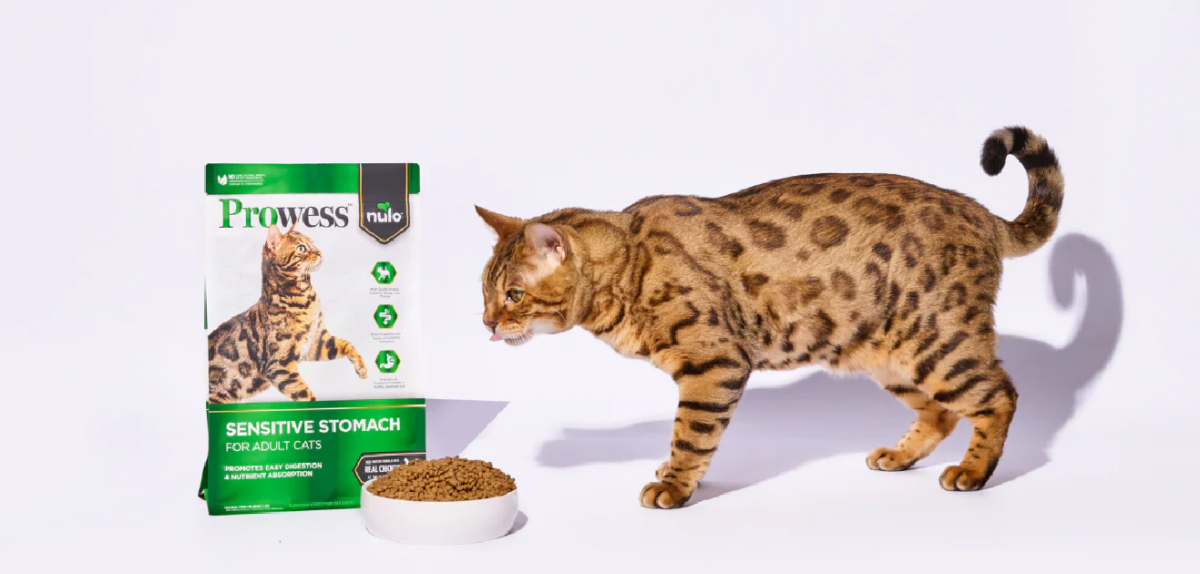
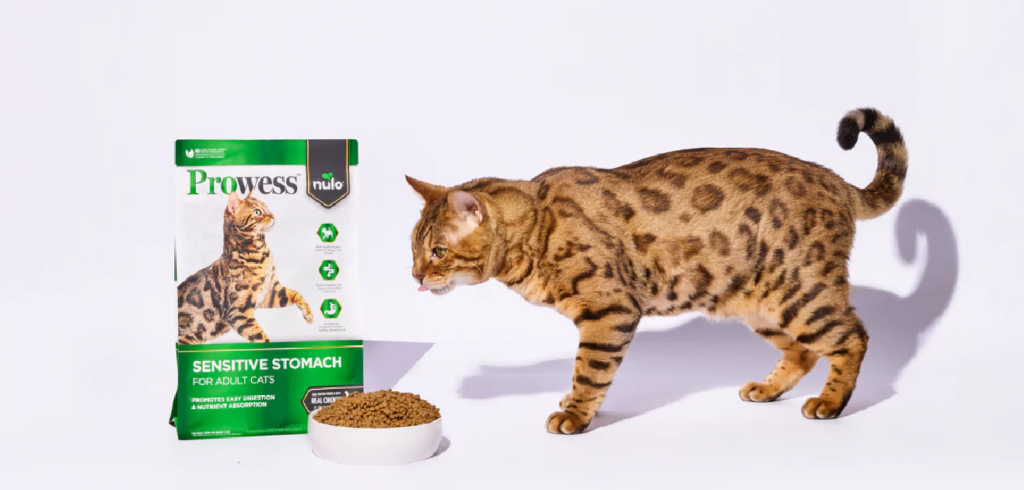
Cats with sensitive digestion may vomit often, have soft stool, struggle with constipation, or lose interest in food. In these cases, choose dry cat food that is easy to digest and made with simple, high-quality ingredients.
Look for formulas that include:
- Digestible animal protein
- Added fiber
- Prebiotics or probiotics
- No artificial colors
- No unnecessary strong flavor additives
- Moderate fat levels
Chicken and fish-based formulas are often easier for some cats, but not all cats respond the same way. If your cat’s digestive problems are frequent, do not ignore them. Food can help, but ongoing vomiting or diarrhea should be checked by a veterinarian.
Dry Cat Food vs. Wet Cat Food: Which Is Better?
There is no single answer for every cat. Both dry and wet food can be useful depending on your cat’s needs.
Benefits of Dry Cat Food
Dry food is convenient, easy to store, and usually more affordable. It can be left out longer than wet food, making it practical for busy owners. Some cats also enjoy the crunchy texture.
Dry food may help reduce some plaque buildup through chewing, although it should not replace dental care.
Benefits of Wet Cat Food
Wet food contains much more moisture, which can help cats that do not drink enough water. This is especially helpful for cats prone to urinary issues or dehydration.
Wet food is also often more aromatic, making it attractive for picky cats. Because it contains water, it may help some cats feel full while consuming fewer calories.
Should You Feed Both?
Many cat owners use a combination of dry and wet food. This can give cats the convenience of kibble while adding moisture and flavor from wet food. The key is to manage total calories so your cat does not gain weight.
How to Read a Cat Food Label Like a Smart Buyer
Before buying a bag of dry cat food, check these details:
First, look for a statement saying the food is “complete and balanced.” This means it is designed to meet basic nutritional standards for cats.
Second, check the life stage. A kitten formula, adult formula, and senior formula are not the same.
Third, review the first several ingredients. A quality animal protein should appear near the top.
Fourth, check calories per cup. This matters a lot for indoor and overweight cats.
Finally, pay attention to your own cat. A food may look perfect on paper, but if your cat refuses to eat it or develops digestive issues, it may not be the right match.
Common Mistakes Cat Owners Should Avoid
One common mistake is buying food only because it is popular or expensive. A higher price does not always mean it is the best option for your cat.
Another mistake is switching foods too quickly. Cats need time to adjust, especially if they have sensitive stomachs.
Some owners also overfeed dry food because the portions look small. Dry kibble is calorie-dense, so even a little extra each day can lead to weight gain over time.
Finally, do not use dog food as a substitute for cat food. Cats need specific nutrients, including taurine, that dog food may not provide in the right amount.
Final Thoughts
Choosing the best dry cat food is not about picking the trendiest brand. It is about understanding your cat’s age, health, weight, digestion, and eating behavior.
For kittens, choose food that supports growth. For adult cats, focus on balanced nutrition and quality protein. For senior cats, look for digestibility and age-supportive nutrients. For picky cats, flavor and aroma matter. For overweight cats, calories and portions matter. For cats with allergies or sensitive stomachs, simple ingredients can make a big difference.
Whether you live in a New York apartment or a suburban home elsewhere in the U.S., your cat’s food should match their real lifestyle. Start with a balanced formula, introduce changes slowly, watch your cat’s response, and talk to a veterinarian when health concerns appear.
At maxtech247.net, our goal is to help readers make practical, informed choices for everyday life—including the small decisions that keep pets healthier and happier.