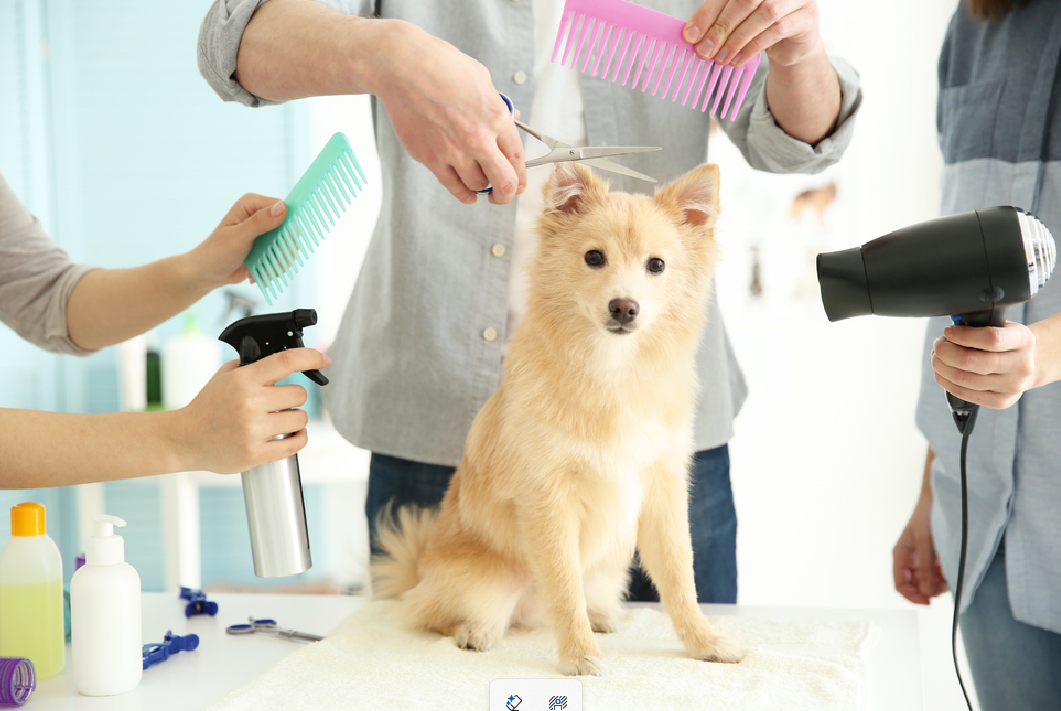
Why a Healthy Coat Says a Lot About Your Pet’s Health
A shiny coat is not just about appearance. For dogs and cats, healthy fur often reflects what is happening inside the body. Good nutrition, proper grooming, clean skin, and a safe living environment all play a role in keeping your pet’s coat soft, smooth, and comfortable.
Pet owners in New York know how quickly city life can affect their animals. Dust from sidewalks, dry indoor air during winter, humidity in summer, and small apartment spaces can all contribute to skin irritation, shedding, odor, or dull fur. That is why coat care should not be treated as a once-in-a-while grooming task. It should be part of your pet’s regular health routine.
At maxtech247.net, we believe pet care should be practical, simple, and based on daily habits that actually work. This guide will walk you through common coat and skin problems, plus easy ways to help your dog or cat maintain a cleaner, healthier, shinier coat.
Common Skin and Coat Problems in Dogs and Cats
Before improving your pet’s coat, it helps to understand what can go wrong. Some coat issues are normal, while others may signal allergies, parasites, poor nutrition, or an underlying health condition.
Excessive Shedding
All dogs and cats shed to some degree. Seasonal shedding is normal, especially during weather changes. However, heavy shedding, bald spots, or sudden hair loss may point to a deeper problem.
Common causes include poor diet, stress, allergies, fleas, skin infections, or hormonal issues. If your pet is losing hair in patches or scratching constantly, it is better to consult a veterinarian instead of assuming it is normal shedding.
Allergic Skin Irritation
Pets can develop allergies from food, flea bites, pollen, dust, mold, cleaning products, or even certain grooming products. Signs may include itching, red skin, licking, biting, ear irritation, or hair loss.
In New York apartments, indoor allergens such as dust, carpets, and scented cleaning sprays can also irritate sensitive pets. Using gentle products and keeping the home clean may help reduce flare-ups.
Fungal and Bacterial Infections
Skin infections can make your pet uncomfortable and may cause redness, odor, sores, scabs, or greasy patches. Fungal infections can also lead to circular hair loss or flaky skin.
These issues usually require proper diagnosis and treatment. Using random shampoos or home remedies may make the problem worse if the cause is not clear.
Fleas, Ticks, and Other Parasites
Fleas, ticks, mites, and lice can cause intense itching and skin inflammation. Pets may scratch, bite, or lick the affected areas until the skin becomes irritated or infected.
Even indoor pets can get fleas, especially in apartment buildings, shared laundry areas, elevators, or after contact with other animals. Preventive care is important year-round.
Dry Skin and Flaking
Dry skin can make your pet’s coat look dull and rough. It may also cause dandruff-like flakes. This can happen because of dry weather, frequent bathing, poor diet, dehydration, or harsh grooming products.
Winter in New York can be especially drying because of indoor heating. If your pet’s skin becomes flaky during colder months, you may need to adjust bathing frequency, hydration, and grooming products.
Oily Skin and Clogged Pores
Some pets produce too much oil, which can make the coat greasy or smelly. Oily skin may also lead to clogged pores, irritation, or acne-like bumps.
This can happen because of breed traits, poor grooming, allergies, or medical conditions. If your pet smells bad soon after bathing, a vet check may be needed.
Tangled, Matted, or Dull Fur
Long-haired pets are especially prone to tangles and mats. When fur becomes matted, it can pull on the skin and cause pain, irritation, or hidden skin infections.
Even short-haired pets benefit from regular brushing because it removes loose hair, dirt, and dead skin while spreading natural oils across the coat.
Feed Your Pet a Coat-Friendly Diet
Healthy fur starts from the inside. If your pet’s food does not provide enough quality nutrients, the coat may become dull, dry, brittle, or thin.
A balanced diet should include quality protein, healthy fats, vitamins, minerals, and enough water. Protein helps support hair growth, while fats help maintain skin moisture and coat shine.
Helpful nutrients for skin and coat health include:
- Omega-3 fatty acids
- Omega-6 fatty acids
- Quality animal protein
- Vitamin E
- Zinc
- Biotin
- Adequate hydration
Fish oil, salmon, eggs, and certain pet-safe supplements may support coat health, but supplements should be used carefully. Too much of a nutrient can cause problems, so it is best to ask a veterinarian before adding supplements to your pet’s diet.
Also pay attention to food sensitivities. Some pets react poorly to ingredients such as dairy, soy, certain proteins, or heavily processed treats. If your pet’s skin becomes itchy after diet changes, food may be one possible cause.
Bathe Your Pet the Right Way
Bathing helps remove dirt, odor, allergens, and excess oil. However, bathing too often can strip away natural oils that protect the skin and coat.
Most pets do not need to be bathed every few days unless recommended by a veterinarian. The right bathing schedule depends on your pet’s breed, coat type, lifestyle, skin condition, and odor level.
For many dogs, bathing every few weeks may be enough. Cats usually groom themselves well and may only need occasional baths unless they are dirty, elderly, overweight, sick, or unable to groom properly.
Never use human shampoo on dogs or cats. Human products can be too harsh for pet skin and may cause dryness, itching, or irritation.
Choose the Right Shampoo for Your Pet’s Skin Type
Not every shampoo works for every pet. A product that is fine for one dog may irritate another.
For Sensitive Skin
Choose a gentle shampoo without strong fragrance, harsh sulfates, or unnecessary dyes. Oatmeal-based or hypoallergenic formulas may be helpful for pets with delicate skin.
For Dry or Flaky Skin
Look for moisturizing shampoos made for pets. Ingredients such as oatmeal, aloe, or gentle conditioning agents may help reduce dryness and leave the coat softer.
For Oily or Itchy Skin
Some pets may need medicated or antibacterial shampoos, but these should usually be recommended by a veterinarian. If your pet has strong odor, redness, or constant itching, do not rely only on regular shampoo.
For Long or Easily Tangled Fur
A conditioning shampoo or pet-safe detangling spray can make brushing easier and reduce breakage. Long-haired breeds often need extra coat care after bathing.
For Short-Haired Pets
Short-haired dogs and cats usually do well with mild, simple shampoos. They may not need heavy conditioning unless their skin is dry or irritated.
Dry the Coat Properly After Bathing
Leaving your pet damp for too long can cause odor, tangling, and skin discomfort. Moisture trapped under thick fur may also create a better environment for bacteria or yeast.
After bathing, use a clean towel to remove as much water as possible. For pets with thick or long coats, a pet-safe dryer on a cool or low-heat setting can help. Avoid high heat because it may burn or dry out the skin.
Make sure the coat is fully dry before brushing deeply, especially for long-haired pets. Wet fur can break more easily and may form tangles.
Brush Your Pet Regularly
Brushing is one of the simplest ways to keep your pet’s coat healthy. It removes loose fur, prevents mats, spreads natural oils, and gives you a chance to check the skin for lumps, fleas, scabs, or irritation.
The right brushing schedule depends on coat type.
Short-haired pets may only need brushing two or three times per week. Long-haired pets may need daily brushing to prevent knots and mats. Heavy shedders may need extra brushing during seasonal coat changes.
Use the right tool for your pet:
- Slicker brush for removing loose hair and light tangles
- Comb for longer coats and detail work
- Soft bristle brush for sensitive skin
- Deshedding tool for heavy shedders
- Detangling comb for mats and knots
Always brush gently in the direction of hair growth. If you find a mat, do not pull hard. Try to loosen it slowly with your fingers or a detangling tool. Severe mats may need professional grooming.
Reward your pet after brushing so the experience feels positive instead of stressful.
Massage the Skin to Support Natural Oils
A gentle massage can help stimulate circulation and spread natural skin oils through the coat. It can also relax your pet and make grooming feel more enjoyable.
Start with areas your pet likes, such as the shoulders, neck, or back. Use slow circular motions with light pressure. Avoid sensitive areas like the belly, paws, ears, and tail unless your pet is comfortable.
You can also use a soft brush or grooming glove to massage while removing loose hair. Watch your pet’s body language. If they move away, flatten their ears, growl, hiss, or tense up, stop and try again another time.
Consider Coat Supplements When Needed
Some pets benefit from skin and coat supplements, especially if they have dry skin, dull fur, or heavy shedding. Common options include fish oil, omega fatty acid supplements, biotin, or veterinarian-approved multivitamins.
However, supplements are not a replacement for a balanced diet or medical care. If your pet’s coat suddenly changes, the cause may be allergies, parasites, infection, thyroid issues, or another health problem.
Use supplements only when they make sense for your pet’s situation, and ask your veterinarian about the right dosage.
Use Medication Only When It Is Necessary
If your pet has fleas, ticks, mites, infections, open sores, or severe itching, grooming alone will not fix the problem. These cases may require medication, parasite prevention, medicated shampoo, antibiotics, antifungal treatment, or allergy management.
Do not use medication made for another pet without professional advice. Also, never use dog flea products on cats unless the label clearly says it is safe for cats. Some ingredients that are safe for dogs can be dangerous for cats.
Keep Your Home Clean and Pet-Friendly
A clean home helps protect your pet’s skin and coat. Dust, dirty bedding, food crumbs, and damp spaces can all contribute to irritation, odor, or pests.
Wash pet bedding regularly. Vacuum floors, rugs, couches, and corners where fur collects. Keep litter boxes clean. Dry wet paws after walks. Store food properly to prevent contamination.
For New York pet owners, apartment living can make cleanliness even more important. Small spaces trap odors and allergens faster, and shared building areas may increase exposure to dirt or pests. A steady cleaning routine can make a noticeable difference.
When to See a Veterinarian
Some coat problems can be managed with better grooming and nutrition. Others need medical care.
Schedule a vet visit if you notice:
- Bald patches
- Constant scratching
- Red or swollen skin
- Open sores
- Bad odor from the skin
- Sudden heavy shedding
- Greasy or sticky coat
- Scabs or crusty patches
- Fleas or ticks
- Repeated vomiting or poor appetite along with coat changes
A healthy coat should not come with constant discomfort. If your pet seems irritated, tired, or unusually restless, it is better to check early.
Final Thoughts
Keeping your pet’s coat shiny and healthy does not require complicated routines. It comes down to consistent care: feed a balanced diet, bathe with the right products, dry the coat properly, brush regularly, keep the skin clean, and maintain a healthy living environment.
A soft, glossy coat is more than a beauty goal. It is often a sign that your pet is comfortable, nourished, and well cared for.
Whether you are raising a dog in a Brooklyn apartment, caring for a cat in Manhattan, or living with multiple pets elsewhere in New York, small daily habits can make a big difference.
At maxtech247.net, we share practical tips to help everyday pet owners make smarter choices and give their animals a healthier, happier life.