Choosing your first dog is exciting, but it can also feel overwhelming. With so many breeds available, it is easy to fall in love with a cute face before thinking about energy level, grooming needs, training, health, and daily care.
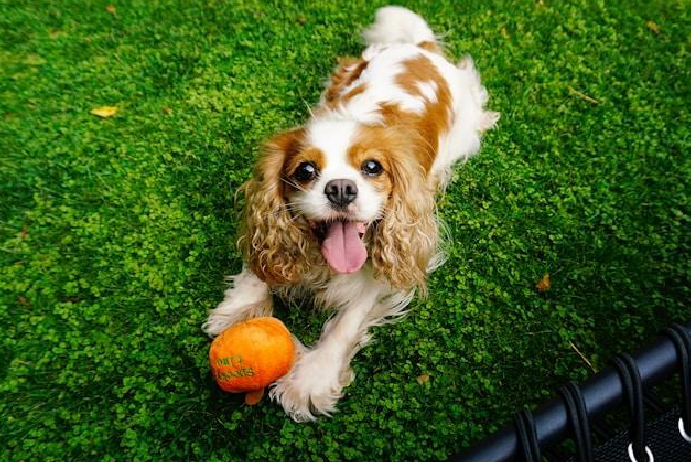
For first-time dog owners in the United States, the best dog breed is not always the most popular one. The right dog should match your home, schedule, budget, activity level, and experience. Some dogs are calm and low-maintenance, while others need hours of exercise, advanced training, and frequent grooming.
In this guide, maxtech247.net will walk you through some of the best dog breeds for beginners, including small apartment-friendly dogs, medium-sized family dogs, and low-shedding breeds that are easier to manage.
What Makes a Dog Breed Easy for Beginners?
An easy dog breed for a first-time owner usually has a few important traits. It should be friendly, adaptable, trainable, and not overly demanding. Beginner-friendly dogs are usually easier to socialize, respond well to basic training, and can adjust to normal family routines.
That does not mean any dog is completely effortless. Every dog needs food, exercise, training, vet care, attention, and patience. Even small dogs need structure and boundaries.
Before choosing a breed, ask yourself a few honest questions: Do you live in an apartment or a house? How much time can you spend walking your dog? Are you willing to brush or groom the coat regularly? Do you have children or other pets? What is your monthly budget for food, grooming, and veterinary care?
The best dog for you is the one that fits your real lifestyle, not just the one that looks adorable in photos.
Best Small Dog Breeds for First-Time Owners
Small dogs are often a good choice for apartment living, city life, or owners who want a companion that does not require a large yard. However, small does not always mean low-maintenance. Some small breeds need regular grooming or consistent training.
Pug
The Pug is a small, affectionate, and people-loving dog. Pugs are known for their charming personalities, funny expressions, and strong attachment to their families.
They usually do not need intense exercise, which makes them suitable for apartments or homes without large yards. Short daily walks and gentle playtime are often enough.
However, Pugs can be prone to breathing issues because of their flat faces. Owners should be careful in hot or humid weather and avoid overexertion. In many parts of the U.S., especially warmer states, air conditioning and careful exercise timing are important.
Chihuahua
The Chihuahua is one of the smallest dog breeds, making it a practical option for small homes and apartments. Chihuahuas are loyal, alert, and often deeply bonded to their owners.
They do not require much space, but they do need training and socialization. Without boundaries, some Chihuahuas may become overly protective or nervous around strangers.
This breed can be a good fit for adults, seniors, or families with older children who understand how to handle a tiny dog gently.
Shih Tzu
The Shih Tzu is a sweet, affectionate companion dog with a calm personality. It does not need heavy exercise and often enjoys relaxing near its family.
Shih Tzus can do well in apartments and are generally friendly with people. Their long coat does need regular brushing and grooming, so owners should be prepared for coat care or professional grooming appointments.
For first-time owners who want a gentle indoor dog and do not mind grooming, the Shih Tzu can be a wonderful choice.
Maltese
The Maltese is a small, elegant dog with a soft white coat and a loving personality. This breed is usually affectionate, playful, and well-suited for indoor living.
Maltese dogs are often considered low-shedding, but their coat can tangle if not brushed regularly. Many owners keep the coat trimmed short for easier maintenance.
Because of their small size, Maltese dogs should be handled carefully around young children or larger pets.
Bichon Frise
The Bichon Frise is cheerful, friendly, and often a great family companion. This breed is known for its soft, curly coat and happy attitude.
Bichons are usually social dogs that enjoy being around people. They can adapt well to apartments as long as they get daily walks and play.
Their coat is low-shedding but requires regular grooming to prevent mats. For people with mild dog allergies, Bichons may be easier to live with than heavy-shedding breeds, though no dog is truly 100% hypoallergenic.
Toy or Miniature Poodle
Poodles are among the smartest and most trainable dog breeds. Toy and Miniature Poodles are especially popular with people who want a smaller dog that is intelligent, lively, and low-shedding.
Poodles learn quickly and often enjoy training games, tricks, and mental challenges. They do need regular grooming because their curly coat continues to grow.
For first-time owners who are willing to provide training and grooming, a Poodle can be one of the best beginner-friendly choices.
Dachshund
The Dachshund is a small dog with a long body, short legs, and a bold personality. Dachshunds are affectionate, curious, and often entertaining.
They can live well in apartments, but they still need walks and mental stimulation. Because of their long backs, owners should prevent excessive jumping from furniture and manage their weight carefully.
Dachshunds can be independent, so early training is helpful.
Yorkshire Terrier
The Yorkshire Terrier, often called the Yorkie, is small, smart, and loyal. Yorkies are popular among apartment dwellers and people who want a lively companion.
They are low-shedding but need regular coat maintenance. Some owners keep Yorkies in a shorter “puppy cut” to reduce grooming time.
Yorkies can have big personalities despite their tiny size, so consistent training is important.
Best Medium-Sized Dog Breeds for Beginners
Medium-sized dogs can be a great balance for owners who want a dog that is not too small but not too large. Many medium breeds are friendly, trainable, and suitable for active families.
Cocker Spaniel
The Cocker Spaniel is gentle, affectionate, and often great with families. This breed usually enjoys human companionship and can be a good match for first-time owners who want a loving dog.
Cocker Spaniels need regular brushing, especially around the ears and feathered coat areas. Their ears should also be checked often because long-eared dogs may be more prone to ear problems.
Daily walks and playtime help keep them healthy and happy.
Beagle
The Beagle is friendly, curious, and cheerful. Beagles are often good family dogs because they enjoy companionship and play.
They have short coats that are fairly easy to maintain. However, Beagles are scent hounds, which means they love following smells. A secure leash and fenced area are important because they may wander if they catch an interesting scent.
Beagles can be vocal, so apartment owners should consider noise tolerance before choosing this breed.
French Bulldog
The French Bulldog is one of the most popular companion dogs in the United States. Frenchies are affectionate, funny, and usually do not require intense exercise.
They can be excellent apartment dogs because they are compact and relatively calm indoors. Short walks and gentle play are usually enough.
Like Pugs, French Bulldogs are flat-faced dogs and may struggle in hot weather. Owners should avoid heavy exercise during heat and watch for breathing problems.
Miniature Schnauzer
The Miniature Schnauzer is intelligent, loyal, and alert. This breed is often easier to train than many independent small breeds and can do well with families.
Miniature Schnauzers have a wiry, low-shedding coat that needs grooming. They are usually energetic enough to enjoy walks and play but not so demanding that they overwhelm many beginners.
They may bark to alert their family, so training can help manage excessive barking.
Shiba Inu
The Shiba Inu is clean, intelligent, and independent. It can adapt to indoor living, but it is not always the easiest breed for beginners.
Shibas are loyal but can be stubborn. They often need patient training, early socialization, and secure handling because they may have a strong prey drive.
For a first-time owner who is committed to learning about training and breed behavior, a Shiba Inu can be rewarding. For someone who wants an easy, highly obedient dog, another breed may be a better choice.
Low-Shedding Dog Breeds That Are Easier to Manage
Many first-time owners look for dogs that shed less. Low-shedding dogs can be helpful for keeping the home cleaner, but they often require grooming because their coats continue growing or mat easily.
Poodle
Poodles are a top choice for people who want a low-shedding and highly trainable dog. They come in Toy, Miniature, and Standard sizes, so owners can choose a size that fits their home.
Poodles need regular grooming, but they shed less than many other breeds. They are intelligent, athletic, and often excellent for owners who enjoy training.
Bichon Frise
The Bichon Frise has a curly coat that sheds minimally but needs brushing and professional grooming. This breed is cheerful and social, making it a strong choice for families and beginners.
Schnauzer
Schnauzers, especially Miniature Schnauzers, have a wiry coat that sheds less than many breeds. They are alert, smart, and loyal. Regular grooming helps keep their coat clean and tidy.
Shih Tzu
Shih Tzus can be low-shedding, but their coat requires attention. A shorter haircut can make daily care much easier. They are generally calm and affectionate, which makes them good indoor companions.
Maltese
The Maltese is another low-shedding option. Its coat is beautiful but can tangle, so brushing is important. Many pet owners choose a short trim to keep grooming simple.
Basenji
The Basenji has a short, smooth coat and is known for being clean and low-odor. It sheds less than many dogs and is fairly easy to groom.
However, Basenjis are independent and energetic. They may not be the easiest breed for every beginner, but they can be a good fit for owners who appreciate a clever, cat-like dog.
Italian Greyhound
The Italian Greyhound has a very short coat and minimal grooming needs. This breed is gentle, affectionate, and elegant.
Because Italian Greyhounds are slim and sensitive to cold, they may need sweaters in cooler states and careful handling around rough play.
Important Things to Consider Before Choosing a Dog
Choosing the right dog is about more than breed popularity. A dog may live with you for 10 to 15 years or longer, so the decision should match your long-term lifestyle.
Size and Living Space
Small dogs usually fit better in apartments, but some still bark often or need lots of activity. Large dogs may need more room, but some large breeds are calm indoors.
Think about your home layout, stairs, yard access, and whether your landlord or apartment community has breed or weight restrictions.
Energy Level
Some dogs need long walks, training games, and active play every day. Others are content with short walks and indoor companionship.
If you work long hours or prefer a quiet lifestyle, avoid breeds that require intense daily exercise unless you can hire help or commit to a structured routine.
Grooming Needs
Low-shedding does not mean no grooming. Poodles, Bichons, Shih Tzus, Maltese, and Yorkies may shed less, but they need brushing, haircuts, and coat care.
Short-haired breeds may be easier to groom, but many still shed.
Training and Temperament
First-time owners often do best with dogs that are eager to please and responsive to training. Poodles, Cocker Spaniels, Bichons, and many companion breeds can be good options.
Independent breeds may require more patience and consistency.
Health and Vet Costs
Every breed has possible health concerns. Flat-faced dogs may have breathing problems. Long-backed dogs like Dachshunds need spine protection. Long-eared dogs may need extra ear care.
Before choosing a breed, research common health issues and budget for vet visits, vaccines, parasite prevention, dental care, and emergency expenses.
Time Commitment
Dogs need daily care. Even easygoing breeds need feeding, walks, playtime, grooming, bathroom breaks, and attention.
If your schedule is very busy, consider whether you can realistically care for a puppy. Adult dogs from shelters or rescues may sometimes be easier than puppies because their personality and energy level are already more established.
Compatibility With Children and Other Pets
If you have children, choose a dog known for patience and friendliness. If you already have cats or other dogs, look for a breed and individual dog with a compatible temperament.
Introductions should be slow, supervised, and positive.
Should First-Time Owners Get a Puppy or an Adult Dog?
Puppies are cute, but they require a lot of work. House training, chewing, socialization, vet visits, and basic obedience take time and consistency.
An adult dog may be a better fit for some first-time owners, especially if the dog already has a calm temperament and basic training. Shelters and rescue groups can often help match you with a dog that fits your home.
Both puppies and adult dogs can be wonderful. The right choice depends on your time, patience, and lifestyle.
Frequently Asked Questions
What is the easiest dog breed for first-time owners?
There is no single perfect breed for everyone, but beginner-friendly options often include Poodles, Bichon Frise, Shih Tzu, Cavalier King Charles Spaniel, Cocker Spaniel, and French Bulldog. The best choice depends on your lifestyle and care preferences.
What dog is best for apartment living?
Good apartment dogs may include Pugs, French Bulldogs, Shih Tzus, Maltese, Chihuahuas, Bichon Frise, and Toy or Miniature Poodles. However, training and daily walks are still important.
Are low-shedding dogs easier to care for?
Not always. Low-shedding dogs often need more grooming because their coats can mat or continue growing. They may keep your home cleaner but still require regular brushing and haircuts.
What dog breed is best for busy owners?
Busy owners may prefer calm, lower-energy breeds such as French Bulldogs, Pugs, Shih Tzus, or some adult rescue dogs. However, every dog needs daily care, attention, and exercise.
Should beginners avoid high-energy breeds?
In many cases, yes. Breeds such as Border Collies, Australian Shepherds, and Belgian Malinois can be amazing dogs, but they often need experienced owners, structured training, and a lot of exercise.
Final Thoughts
The best dog breeds for first-time owners are friendly, adaptable, trainable, and realistic for your daily routine. Small breeds like Shih Tzu, Maltese, Pug, Chihuahua, and Bichon Frise can be great for apartments. Medium-sized breeds like Cocker Spaniel, Beagle, French Bulldog, and Miniature Schnauzer can fit well with many families.
Low-shedding breeds such as Poodles, Bichons, Schnauzers, and Maltese are good options for owners who want less fur around the home, as long as they are prepared for grooming.
At maxtech247.net, we believe choosing a dog should be based on lifestyle, patience, and long-term responsibility. The right dog is not just the easiest one to own. It is the one you can care for, train, and love for many years.